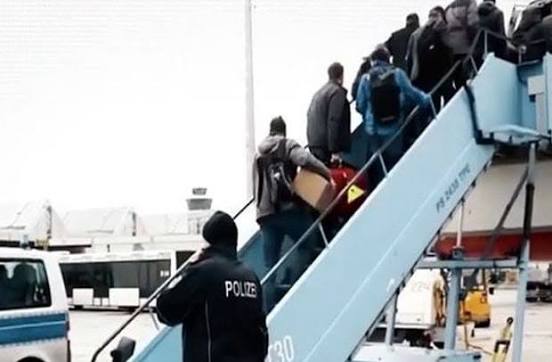
The United States government has released an updated deportation list naming 427 individuals from West Africa, including 15 Gambians. US immigration authorities published the list, which includes full names, photographs, and criminal charges for those slated for removal. The publication of this full list by US immigration authorities shows a significant effort to address individuals with criminal convictions and pending charges within immigrant communities. The detailed information provided, including names and specific charges, signals a notably tougher stance on criminal cases and immigration violations. This move by the United States government notes a focus on individuals who have committed offenses ranging from serious financial crimes to violent acts, as well as those with immigration-related infractions.
West African Nationalities Targeted
Nigeria accounts for the largest number of individuals on the updated deportation list, with 134 names. This makes Nigeria the country with the highest number of nationals identified for removal. Liberia follows, listing 111 nationals, representing the second-largest group on the list. Ghana has 44 names identified for removal by US immigration authorities, marking it as another significant nationality targeted for deportation.
Cape Verde is listed with 26 nationals, while Senegal has 22 individuals on the list. The Gambia and Côte d’Ivoire each have 15 nationals targeted for deportation, indicating a shared number of individuals from these two West African nations. Mauritania includes 12 individuals on the list, demonstrating its presence among the nationalities identified. Burkina Faso and Niger each have 10 nationals named on the list, indicating an equal number of individuals from these two countries. Sierra Leone has 9 nationals, while Togo has 7 nationals identified for removal. Guinea has 6 nationals listed, further detailing the diverse representation of West African countries.
Mali has five nationals listed among those slated for deportation by US immigration authorities. This brings the total number of countries with multiple individuals on the list to twelve. Guinea-Bissau and Benin each have one national identified on the updated list, representing the smallest contingents from individual nations. These figures provide a full breakdown of the nationalities included in the US government's deportation effort, totaling 427 individuals from various West African countries.
Criminal Charges Detailed
The offenses detailed on the deportation list span a range of serious criminal activities, from financial crimes such as fraud and money laundering to violent crimes. This broad spectrum of charges shows the severity of the alleged offenses committed by the individuals targeted for deportation. Additionally, the list includes individuals with violations related to immigration statutes, indicating that some removals are based on breaches of immigration law. US immigration authorities have made public the specific charges for each individual, ensuring transparency in the deportation process.
The 15 Gambian nationals identified for deportation had their names published alongside their particular criminal charges. This specific detail for the Gambian individuals provides a clear example of the type of information made public for all those on the list. The list also specifies the locations where these individuals were arrested, adding another layer of detail to the public record. This level of detail provides a clear account of the alleged criminal activities associated with those targeted for removal, offering insight into the nature of their offenses and the circumstances of their apprehension within the United States.
Immigration Protections and Stance
US authorities have not released further details on the removal timeline for these individuals, leaving the exact schedule for their deportation undisclosed. However, under US law, at least nine categories of immigrants are protected from deportation. These protected immigrant categories include naturalised citizens, individuals holding green cards, people with pending asylum claims, and survivors of certain crimes and abuse. The existence of these protections notes the complexities of US immigration law, which balances enforcement with humanitarian considerations and legal safeguards for specific populations. The full nature of the updated deportation list reflects the US government's ongoing efforts to enforce immigration laws while navigating the established legal frameworks for immigrant protection.