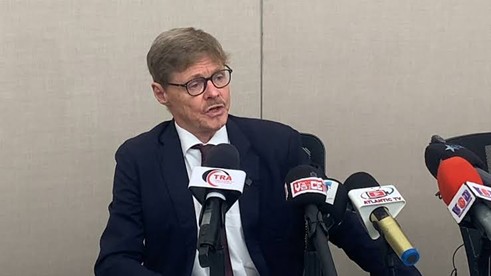
Morris Tidball-Binz, the UN Special Rapporteur on extrajudicial, summary or arbitrary executions, concluded a 12-day visit to The Gambia on 16 October 2026. During his mission, he called for the full abolition of the death penalty, stating, "I'm urging the Gambia to abolish the death penalty once and for all, because this is not an option; it's an obligation under international law."
The government recently enacted the Criminal Act of 2025 to remove the death penalty from statute, though the provision remains in the Constitution. Morris Tidball-Binz noted historical failures to address the issue, adding, "In 1994, after the coup, it was reinstated, albeit with promises that this would be reviewed. It didn't happen." He also referenced the 2012 disappearance of nine prisoners from Mile 2 prison.
Historical Context of Executions
The Gambia abolished the death penalty in 1993. Morris Tidball-Binz, UN Special Rapporteur on extrajudicial, summary or arbitrary executions, stated, "The Gambia abolished the death penalty in 1993. It became a beacon of respect and promotion of human rights applauded by the international community." This status ended following the 1994 coup, when the government reinstated capital punishment.
The administration oversaw the execution of nine death row inmates in 2012. These individuals were held at Mile 2 prison prior to their deaths. No further formal executions have occurred since that time, although the penalty remained a feature of the legal system for years following the 1994 policy reversal.
Progress on Human Rights
The government accepted 363 out of 365 recommendations from the Truth, Reconciliation and Reparations Commission. These recommendations formed part of a national effort to address human rights violations documented during the commission's proceedings. Officials confirmed this acceptance rate as they moved toward implementing systemic reforms.
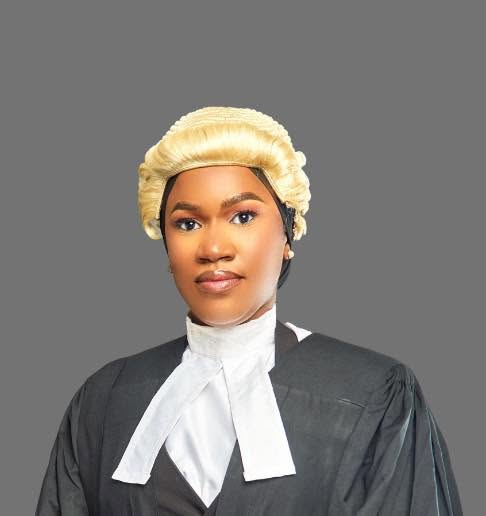
Authorities appointed a Special Prosecutor in September 2026 to manage the investigation and prosecution of high-profile cases. This official holds the responsibility for overseeing legal proceedings within a newly established hybrid court. The court structure aims to handle cases connected to the findings of the Truth, Reconciliation and Reparations Commission, ensuring that individuals implicated in past abuses face judicial scrutiny. The appointment marks a move to finalize the legal processes associated with the commission's work, providing a framework for accountability through the hybrid system.
Addressing Past Violence Cases
Violent incidents involving state authorities and civilians remain a focal point for accountability efforts in The Gambia. In 2018, three students were killed in Faraba Banta during protests against sand mining. These deaths occurred as demonstrators confronted law enforcement officials over environmental concerns in the region. The legal response to these killings continues to be a subject of public scrutiny as the country works to address past human rights violations.
Separate cases involving individual deaths also highlight the ongoing challenges within the justice system. Omar Badjie was killed on 26 September 2025. His death remains under review as part of the broader efforts to ensure that accountability is maintained for all incidents of violence. Authorities continue to process information related to these events to determine the appropriate legal steps for those responsible. These investigations form part of the government's commitment to address historical grievances and systemic failings identified by recent commission proceedings. By focusing on these specific cases, the state aims to provide clarity to families and fulfill its obligations regarding the rule of law.