Attorney General and Minister for Justice Dawda A. Jallow tabled a motion on 19 October 2026 for The Gambia to ratify the World Intellectual Property Organization Performance and Phonograms Treaty. This legislative step aims to secure legal protections against digital piracy for the nation's creative sector. Explaining the necessity of the move, Dawda A. Jallow stated, "Our young musicians now reach audiences far beyond our borders through digital platforms yet, without these protections, their work can be copied and shared online with no return to them." Ratification of this treaty would align national intellectual property standards with international frameworks, providing a mechanism for artists to control the distribution and monetization of their recorded works in an increasingly globalized digital market.
Global Treaty Background Details
World Intellectual Property Organization Performance and Phonograms Treaty members adopted the agreement in 1996, and the legal instrument entered into force in 2002. This international framework establishes standards for the protection of performers and producers of phonograms, specifically addressing the digital environment. The WIPO Performance and Phonograms Treaty was originally adopted in 1996 and entered into force in 2002. By formally adopting these standards, The Gambia joins a growing number of nations seeking to address the specific legal vulnerabilities presented by modern recording and distribution technologies.
Ratification of the treaty would enable Gambian collecting societies to exercise new functions regarding revenue. These bodies would gain the capacity to collect royalties from digital uses of creative works and participate in international payment distribution systems. Ratification of the treaty would allow Gambian collecting societies to collect royalties from digital uses and participate in international payment distribution systems. Such mechanisms are designed to ensure that artists receive compensation when their recorded works are utilized on global digital platforms, preventing the unauthorized exploitation of intellectual property by third parties.
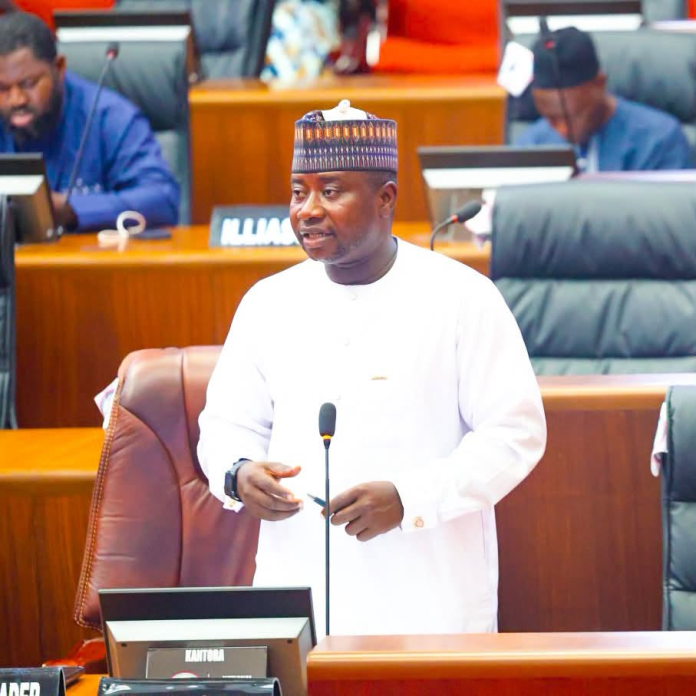
Majority Leader and member for Kantora expressed concern regarding the current lack of protection for local artists. "It is very inhuman or unfair for someone to sit at a corner and come up with a very good and nice melodious song and just be told that the song has been played or been mimicked somewhere else," the legislator said. This sentiment reflects the broader governmental objective of safeguarding the economic interests of individual creators against the backdrop of rapid technological advancement.
Government officials intend to utilize the provisions of the treaty as a formal basis for updating the Copyright Act of 2004. The government plans to use the treaty as a basis for updating the Copyright Act of 2004. This legislative revision will incorporate international standards into national law to better reflect current challenges in the digital music industry. By aligning local statutes with the treaty, the government seeks to provide a more effective legal structure for the creative sector, ensuring that the legislative framework remains strong enough to handle the complexities of digital rights management and the ongoing evolution of global music consumption patterns.