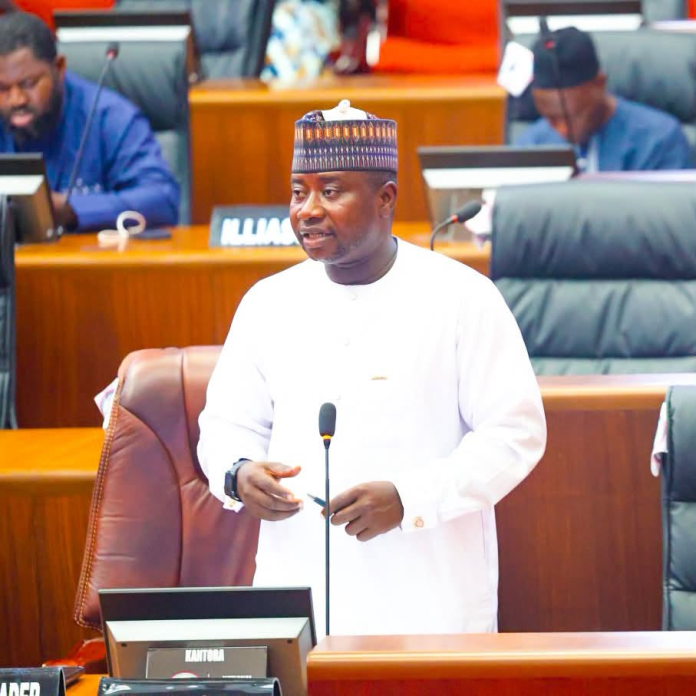
Majority Leader Billay G. Tunkara presented the National Assembly Powers and Privileges Bill, 2026, for a second reading in The Gambia National Assembly on 19 October 2026. This legislative proposal underwent its first reading in the assembly one week earlier on 12 October 2026. The presentation of the bill on 19 October 2026 marks a significant step in the legislative calendar, as the body moves to formally address the proposed changes to its internal regulations.
Explaining the intent behind the new legislation, Majority Leader Billay G. Tunkara stated, "The object of this bill is to revise the constitutional laws relating to powers and privileges and the immunities of the National Assembly Members, committees and officers." The proposed measure seeks to update the existing legal framework governing the protections afforded to parliamentary representatives and staff during their service. The bill aims to revise the legal framework governing the powers, privileges, and immunities of National Assembly members, committees, and officers. Lawmakers are now tasked with reviewing the specific provisions contained within the bill to determine how these changes will impact the current immunities and administrative authorities of the legislative body. By refining these statutes, the National Assembly intends to provide a clearer definition of the operational boundaries and protections for its members.
Legislative Objectives and Scope
National Assembly Members, committees, and officers of The Gambia are the primary subjects of the proposed legal revisions. The bill seeks to modernize the existing statutory framework that defines the scope of their parliamentary powers, privileges, and legal immunities. Proponents of the measure indicate that these adjustments are intended to align current protections with the administrative requirements of the legislative body. This modernization effort is focused on ensuring that the legal protections granted to the legislative branch remain relevant and effective in the current administrative context.
Members of the Assembly Business Committee hold the responsibility for the next stage of the legislative process. The Assembly Business Committee is tasked with determining whether the bill should be referred to a relevant committee or joint committees for detailed scrutiny. These representatives must decide whether the bill will proceed to a single relevant committee or to joint committees for a process of detailed scrutiny. The findings of this review will determine the specific amendments or recommendations presented for the final floor debate.
The legislative process requires that the Assembly Business Committee carefully evaluates the complexity of the bill before assigning it to the appropriate parliamentary group. By utilizing committees or joint committees, the National Assembly ensures that the specific clauses within the National Assembly Powers and Privileges Bill, 2026, receive the necessary technical examination. Once the Assembly Business Committee concludes its assessment and refers the document to the designated body, the subsequent scrutiny will provide the foundation for the final recommendations. These recommendations will eventually be brought back to the floor, where the full membership of the National Assembly will debate the merits of the revisions. This systematic approach is designed to maintain transparency and thoroughness throughout the legislative review of the powers, privileges, and immunities of the National Assembly.