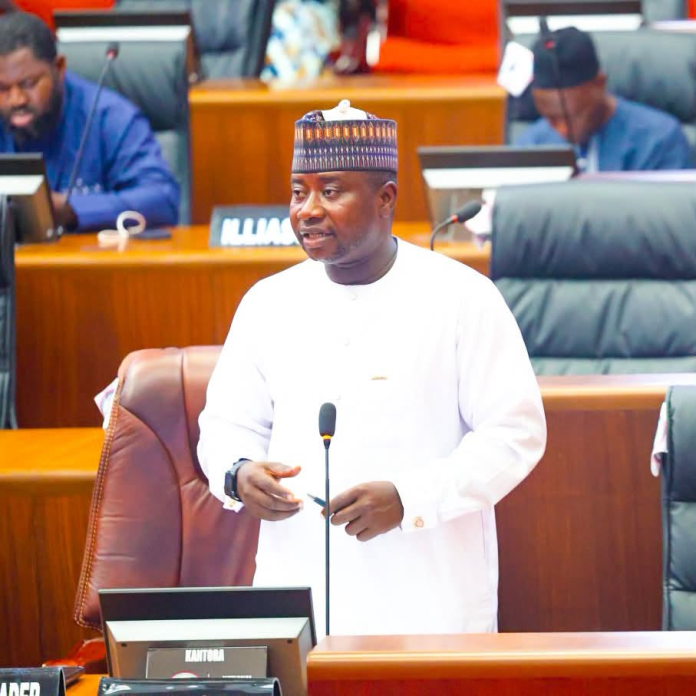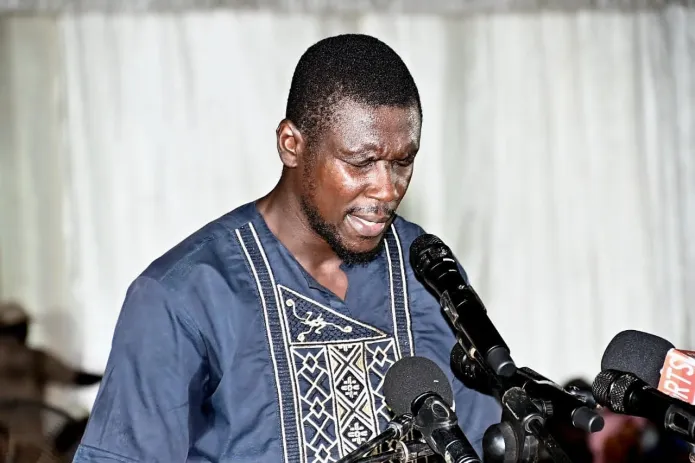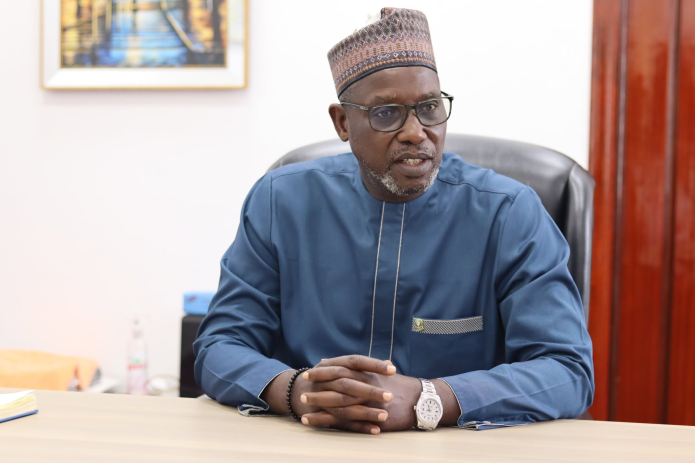
Minister of Interior Abdoulie Sanyang addressed the National Assembly on Wednesday, 21 October 2026, to outline the government's approach to youth criminality. Sulayman Jammeh, the Member for Bundungka Kunda, initiated the discussion by questioning the Ministry of Interior regarding the specific rehabilitation programs available for offenders under the age of 18 involved in gang activity.
During the session, Sulayman Jammeh emphasized the growing concern regarding the involvement of minors in organized gang activity. He sought clarification from the Ministry of Interior on whether the existing correctional infrastructure is adequately equipped to handle the unique challenges posed by these youthful offenders. The Member for Bundungka Kunda specifically requested details on the current capacity of the state to transition these individuals away from criminal lifestyles through structured intervention.
Responding to the inquiry, Minister Sanyang confirmed that the Gambia Prison Service operates rehabilitation programs for young offenders. He stated that the government focuses on long-term outcomes for those in state custody. "The objective is not to merely keep the young offender in custody but to use the period of the detention to educate, develop skills and correct behaviour, and prepare a young person for a productive life after detention," the Minister told the assembly.
Minister Sanyang further elaborated on the operational structure of these facilities. "The juvenile wing is designed to provide both custody and rehabilitation for children in conflict with the law, provide opportunities for education, professional development, psychosocial support, with the ultimate objective of successful integration into society," he added. These programs aim to address the specific needs of children identified as being in conflict with the law within The Gambia.
The Minister explained that the Gambia Prison Service maintains a dedicated approach to managing the juvenile population. By separating minors from the adult prison population, the Ministry of Interior intends to prevent the negative influence that can occur in mixed-custody environments. This structural separation is a cornerstone of the current policy, ensuring that the environment remains focused on reformative activities rather than punitive containment.
According to the Ministry of Interior, the programs integrated into the juvenile wing include vocational training modules. These modules are intended to provide young people with practical skills that are relevant to the local labor market. The Minister noted that the government views the acquisition of these skills as a critical factor in reducing recidivism rates among youth who have been involved in gang activity.
The Minister noted that the psychosocial support provided within the juvenile wing is conducted by trained staff. These professionals work closely with the children to address underlying behavioral issues. The Minister emphasized that this holistic approach is essential for the long-term success of the rehabilitation efforts. The government remains committed to evaluating these programs periodically to ensure they meet the evolving requirements of the juvenile justice system in The Gambia. Minister Sanyang concluded his address by reiterating that the Ministry of Interior will continue to prioritize the development of these facilities to better serve the youth population.